Cooking without dairy can feel challenging at first, especially if you’re used to adding milk, butter, cheese, cream, or yogurt to your favorite recipes. But once you know which ingredients to replace and how to use dairy-free alternatives, cooking without dairy becomes surprisingly simple.
Whether you’re new to a dairy-free lifestyle, cooking for someone who avoids dairy, or simply want to discover new ingredients and recipes, you don’t need to completely change the way you cook.
With a few easy swaps, some basic pantry staples, and a little experimentation, you can prepare delicious breakfasts, lunches, dinners, snacks, and desserts without dairy.
In this beginner’s guide, you’ll discover practical dairy-free cooking tips, the best ingredient substitutions, common mistakes to avoid, and easy ways to make your favorite recipes dairy-free.
What Does Dairy-Free Cooking Mean?
Dairy-free cooking means preparing food without ingredients that come from milk.
This includes common ingredients such as:
- Cow’s milk
- Cream
- Butter
- Cheese
- Yogurt
- Condensed milk
- Milk powder
- Whey
- Casein and caseinates
Dairy-free cooking is not necessarily the same as vegan cooking. A dairy-free recipe can still contain eggs, meat, poultry, or fish.
This distinction is useful when you’re choosing recipes or adapting meals for your household.
Start with Simple Dairy-Free Swaps
One of the easiest ways to begin cooking without dairy is to replace traditional ingredients with suitable alternatives.
You don’t have to learn an entirely new style of cooking. In many recipes, a simple one-to-one substitution is all you need.
Milk
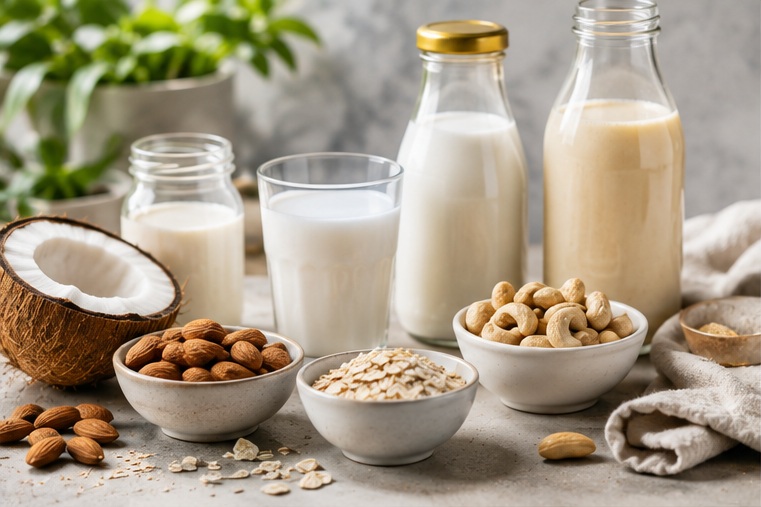
Replace regular milk with a suitable plant-based alternative such as:
- Oat milk
- Soy milk
- Almond milk
- Coconut milk
- Pea-based milk
For savory cooking and baking, choose an unsweetened variety unless the recipe specifically calls for sweetness.
For sauces, soy or oat milk can be useful because they tend to have a relatively neutral flavor.
Butter
Butter can often be replaced with:
- Olive oil
- Coconut oil
- Dairy-free butter
- Avocado oil
- Vegetable oil
The best replacement depends on the recipe.
For sautéing vegetables, olive oil is an easy choice. For baking, a dairy-free butter alternative may provide a texture closer to traditional butter.
Cream
Cream can be replaced with ingredients such as:
- Coconut cream
- Full-fat coconut milk
- Cashew cream
- Blended white beans
- Unsweetened plant-based cooking cream
Coconut milk works particularly well in curries, soups, and sauces.
Yogurt
For recipes that call for yogurt, try using:
- Dairy-free coconut yogurt
- Soy yogurt
- Oat-based yogurt
- Almond yogurt
Unsweetened dairy-free yogurt is usually the most versatile choice for savory dishes.
Cheese
Cheese can be a little more difficult to replace because it provides flavor, saltiness, fat, and texture all at once.
Depending on the recipe, alternatives include:
- Dairy-free shredded cheese
- Nutritional yeast
- Cashew-based sauces
- Tahini
- Avocado
- Hummus
For example, nutritional yeast can add a savory, cheese-like flavor to pasta, sauces, popcorn, and roasted vegetables.
Learn Which Ingredients Add Creaminess
One of the biggest concerns for beginners is how to make food creamy without using dairy.
Fortunately, there are plenty of options.
Coconut milk
Coconut milk is excellent for curries, soups, sauces, and desserts.
Keep in mind that coconut has a distinctive flavor, so it isn’t always the best choice for recipes where you want a completely neutral taste.
Cashews
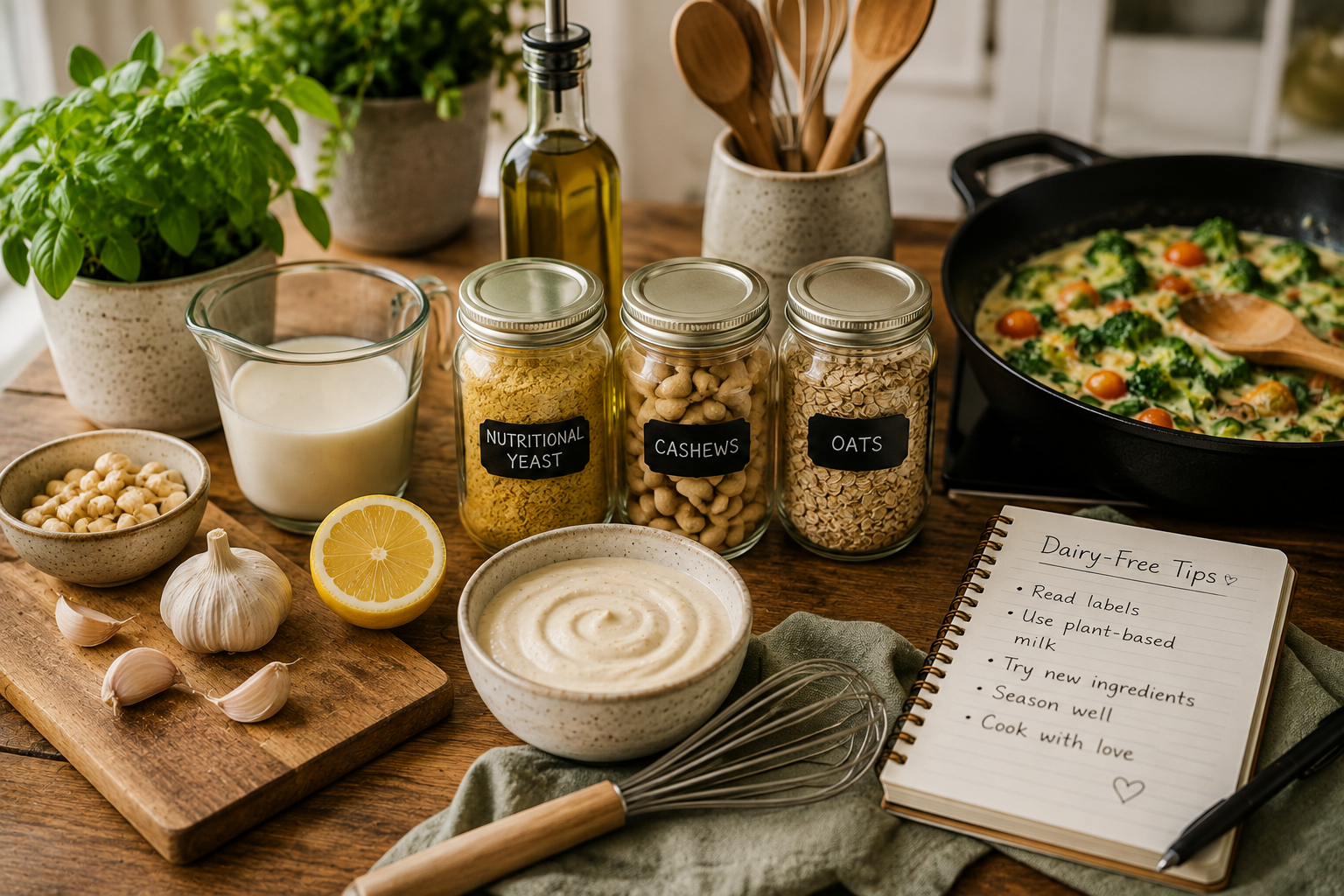
Soaked cashews can be blended with water to create a smooth and creamy sauce.
Cashew cream works particularly well in:
- Pasta sauces
- Soups
- Dips
- Casseroles
- Dairy-free desserts
Avocado
Mashed avocado can add creaminess to toast, sauces, wraps, and bowls.
It’s particularly useful when you want a creamy texture without adding a sweet flavor.
Hummus
Hummus can add both creaminess and flavor to sandwiches, wraps, bowls, and vegetable dishes.
It’s also an easy way to add plant-based protein to a meal.
Build a Dairy-Free Pantry
Having the right ingredients in your kitchen makes dairy-free cooking much easier.
You don’t need dozens of specialty products. Start with a few versatile staples.
Useful dairy-free pantry ingredients
- Olive oil
- Oats
- Rice
- Pasta
- Canned beans
- Chickpeas
- Lentils
- Coconut milk
- Tomato sauce
- Nut or seed butter
- Tahini
- Nuts and seeds
- Nutritional yeast
- Dairy-free chocolate
- Herbs and spices
Keeping these ingredients available means you can often prepare a dairy-free meal without making a special trip to the store.
Read Food Labels Carefully
One of the most important dairy-free cooking tips for beginners is learning to read ingredient labels.
Milk can appear in foods where you might not expect it.
Ingredients that can indicate the presence of milk include:
- Milk
- Milk powder
- Whey
- Butter
- Cream
- Casein
- Caseinates
- Lactose
- Milk solids
If you’re avoiding dairy because of a milk allergy, you’ll also need to pay attention to allergen statements and possible cross-contact warnings.
If you’re cooking for someone with a medically diagnosed allergy, follow their healthcare professional’s guidance and check every packaged ingredient carefully.
Don’t Assume “Lactose-Free” Means Dairy-Free
This is an important distinction.
Lactose-free products can still contain milk proteins.
Lactose is the naturally occurring sugar found in milk. Removing lactose doesn’t necessarily remove other milk components.
Therefore, someone who needs to avoid dairy or milk proteins should not automatically assume that a product labeled “lactose-free” is dairy-free.
Always check the full ingredient and allergen information.
Make Your Favorite Recipes Dairy-Free
You don’t need to abandon your favorite meals.
Instead, think about what dairy contributes to the recipe.
Does it add:
- Creaminess?
- Fat?
- Saltiness?
- Moisture?
- Texture?
- A cheesy flavor?
Once you identify its purpose, you can choose a suitable replacement.
Mac and cheese
Instead of relying on traditional cheese, try making a sauce from blended potatoes, carrots, cashews, nutritional yeast, or dairy-free cheese alternatives.
Mashed potatoes
Replace butter and milk with olive oil, dairy-free butter, or unsweetened plant-based milk.
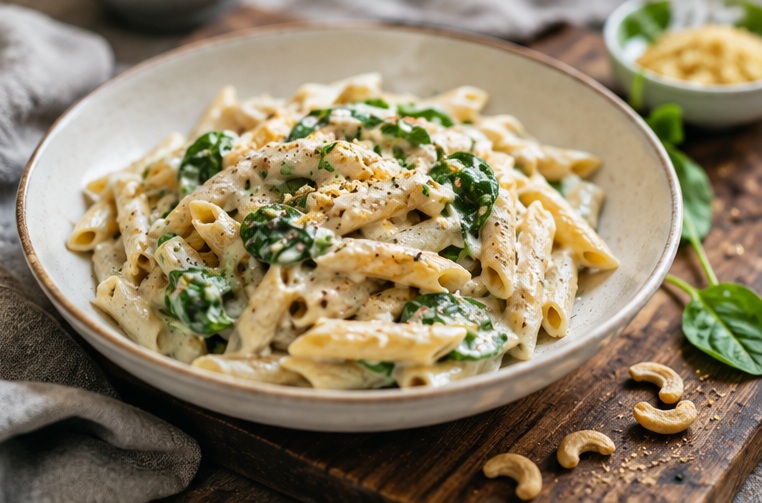
Creamy pasta
Try cashew cream, coconut cream, or a dairy-free cooking cream.
Pancakes
Use an unsweetened plant-based milk instead of cow’s milk and replace butter in the pan with a little oil or dairy-free butter.
Soup
Creamy soups can often be made with coconut milk, blended vegetables, beans, potatoes, or cashews.
Pizza
Use dairy-free cheese or focus on flavorful toppings such as roasted vegetables, mushrooms, olives, tomato, fresh herbs, and avocado added after baking.
Choose the Right Plant-Based Milk
Not every plant-based milk works equally well in every recipe.
Oat milk
Oat milk has a mild flavor and can work well in baking, coffee, sauces, and breakfast recipes.
Soy milk
Soy milk is relatively versatile and can work well in both sweet and savory recipes.
Almond milk
Almond milk has a mild nutty flavor and is useful in smoothies, breakfast recipes, and baking.
Coconut milk
Coconut milk is richer and works particularly well in curries, soups, sauces, and desserts.
Pea-based milk
Pea-based milk can be useful when you’re looking for a creamy plant-based option with a neutral flavor.
For most savory recipes, look for unsweetened and unflavored products.
Baking Without Dairy
Many beginners assume that dairy-free baking is complicated. It doesn’t have to be.
Butter, milk, and cream can often be replaced without dramatically changing the recipe.
For example:
Milk → plant-based milk
Butter → dairy-free butter or oil
Cream → coconut cream or dairy-free cream
Yogurt → dairy-free yogurt
You may need to experiment with the amount and type of replacement, especially when working with cakes, cookies, pastries, and bread.
For the most reliable results, start with recipes that were specifically developed as dairy-free rather than immediately converting a complicated traditional recipe.
Watch Out for Hidden Dairy in Baking Ingredients
Chocolate, frosting, caramel, cake mixes, and baking decorations can sometimes contain milk ingredients.
Dark chocolate is not automatically dairy-free, so always check the label.
The same applies to:
- Chocolate chips
- Sprinkles
- Cookie crumbs
- Protein powders
- Frosting
- Caramel sauces
- Instant pudding mixes
If you need to avoid dairy strictly, choose products specifically labeled as suitable for your dietary needs and verify the ingredient and allergen information.
Use Herbs and Spices to Add Flavor
When you remove cheese, butter, or cream from a recipe, you may notice that some dishes taste less rich.
Instead of simply adding more salt, build flavor with herbs, spices, acidity, and aromatics.
Try ingredients such as:
- Garlic
- Ginger
- Fresh basil
- Parsley
- Cilantro
- Rosemary
- Thyme
- Smoked paprika
- Cumin
- Chili flakes
- Lemon juice
- Lime juice
- Black pepper
A squeeze of lemon juice, for example, can brighten a vegetable dish and balance rich ingredients such as avocado or tahini.
Don’t Be Afraid of Healthy Fats
Dairy-free doesn’t mean fat-free.
Healthy fats can help add richness and satisfying texture to meals.
Useful options include:
- Extra virgin olive oil
- Avocado
- Nuts
- Seeds
- Tahini
- Nut butters
- Coconut milk
For example, a simple bowl of roasted vegetables can become much more satisfying with a tahini-lemon dressing or sliced avocado.
Easy Dairy-Free Meal Formula for Beginners
If you’re unsure what to cook, use a simple formula:
Protein + vegetables + carbohydrate + flavorful sauce
For example:
Chicken + roasted vegetables + rice + tahini-lemon dressing
Or:
Chickpeas + spinach + sweet potato + coconut curry sauce
Or:
Tofu + broccoli + noodles + peanut-lime sauce
This approach makes it easy to build balanced meals without relying on cheese or cream for flavor.
Start with Naturally Dairy-Free Foods
If you’re new to dairy-free cooking, it can be easier to begin with meals that don’t traditionally depend on dairy.
Try dishes such as:
- Vegetable stir-fries
- Bean and rice bowls
- Lentil curries
- Roasted vegetable trays
- Tomato-based pasta
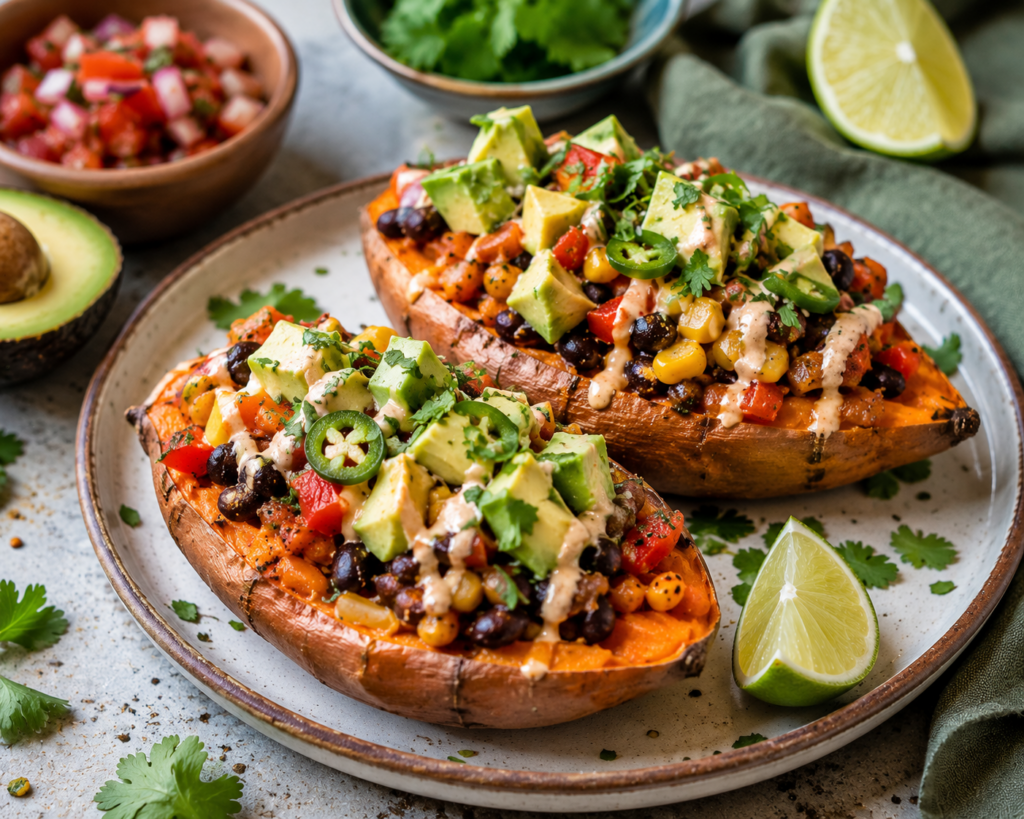
- Mexican-inspired bowls
- Mediterranean salads
- Vegetable soups
- Grain bowls
- Homemade hummus wraps
Once you’re comfortable with these meals, start adapting your favorite creamy or cheesy dishes.
Common Dairy-Free Cooking Mistakes
Learning what not to do can save you time and frustration.
Mistake 1: Using sweetened plant milk in savory recipes
Sweetened milk can give pasta sauces, soups, and mashed potatoes an unwanted sweetness.
Better approach: Choose unsweetened plant-based milk.
Mistake 2: Assuming every dairy-free substitute works the same way
Different products have different textures, flavors, and cooking properties.
Better approach: Match the replacement to the purpose of the original ingredient.
Mistake 3: Forgetting about flavor
Removing cheese or butter can sometimes make a dish taste flat.
Better approach: Add herbs, spices, garlic, lemon, nutritional yeast, toasted nuts, or flavorful sauces.
Mistake 4: Buying too many specialty products
You don’t need to replace every traditional dairy product with a packaged alternative.
Better approach: Start with versatile whole-food ingredients such as olive oil, avocado, nuts, beans, coconut milk, and tahini.
Mistake 5: Not checking labels
Packaged foods can contain unexpected milk ingredients.
Better approach: Make label reading part of your normal shopping routine.
A Beginner’s Dairy-Free Shopping List
If you’re just getting started, this simple shopping list can help you stock your kitchen.
Fresh foods
- Apples
- Bananas
- Avocados
- Spinach
- Broccoli
- Bell peppers
- Carrots
- Tomatoes
- Sweet potatoes
- Lemons and limes
Protein sources
- Chickpeas
- Black beans
- Lentils
- Tofu
- Eggs
- Chicken
- Fish
Pantry staples
- Rice
- Oats
- Pasta
- Canned tomatoes
- Coconut milk
- Olive oil
- Tahini
- Peanut butter
- Nuts
- Seeds
- Spices
Dairy-free alternatives
- Unsweetened plant-based milk
- Dairy-free yogurt
- Dairy-free butter
- Dairy-free cheese, if desired
- Dairy-free chocolate
You can gradually expand your list as you discover which products and ingredients you enjoy.
A Simple 3-Day Dairy-Free Meal Plan
If you’re wondering how to put everything together, here’s a simple starting point.
Day 1
Breakfast: Oatmeal with banana, berries, and almond butter
Lunch: Hummus and roasted vegetable wrap
Snack: Apple slices with peanut butter
Dinner: Coconut chicken and vegetable curry with rice
Day 2
Breakfast: Dairy-free smoothie with berries, banana, and oat milk
Lunch: Chickpea and avocado salad
Snack: Homemade energy balls
Dinner: Tomato and vegetable pasta with grilled chicken or chickpeas
Day 3
Breakfast: Dairy-free pancakes with berries
Lunch: Rice bowl with black beans, corn, avocado, and salsa
Snack: Roasted chickpeas
Dinner: One-pan Mediterranean chicken with roasted vegetables and potatoes
The goal isn’t to make every meal complicated. Simple meals are often the easiest to maintain.
How to Make Dairy-Free Cooking Easier
The biggest secret for beginners is preparation.
You can make your week much easier by preparing a few basic ingredients ahead of time.
Cook a batch of rice or quinoa, roast a tray of vegetables, prepare hummus or another dip, and wash fresh fruit and vegetables.
You can then combine these ingredients in different ways throughout the week.
For example, roasted vegetables can become:
- A lunch bowl
- A wrap filling
- A pasta topping
- A side dish
- A salad ingredient
This gives you variety without requiring you to cook an entirely new meal every day.
Final Thoughts
Learning to cook without dairy doesn’t have to be overwhelming.
Start with simple ingredient swaps, stock your pantry with versatile dairy-free ingredients, and focus on naturally dairy-free meals while you learn what works best for you.
Plant-based milk can replace regular milk, olive oil can replace butter in many savory dishes, coconut milk can add richness to curries and soups, and ingredients such as avocado, tahini, hummus, and cashews can create creamy textures without dairy.
Most importantly, give yourself time to experiment.
Not every substitute will work perfectly the first time, and that’s completely normal. The more you cook, the easier it becomes to recognize which ingredients work best together.
With these dairy-free cooking tips for beginners, you’ll soon be able to adapt your favorite recipes and create delicious meals without relying on traditional dairy ingredients.
Ready to start cooking? Explore MyDairyFreeRecipes for easy dairy-free recipes, beginner-friendly meals, snacks, desserts, and plenty of inspiration for everyday cooking.